
If You’re 65 to 75, Your House Starts Making Decisions for You
By Tricia Garcia, Senior Real Estate & Inherited Home Specialist | Real Estate Toolbox
THE SHORT ANSWER
Between 65 and 75, your house after 65 slowly starts working against you, long before you feel ready to move. Stairs, a quiet house after a loss, caring for parents and kids at once, and upkeep that eats your energy all shrink your window to choose. The fix is not to move tomorrow. It’s to pick your “someday” on purpose, while you’re healthy and nobody is rushing you.
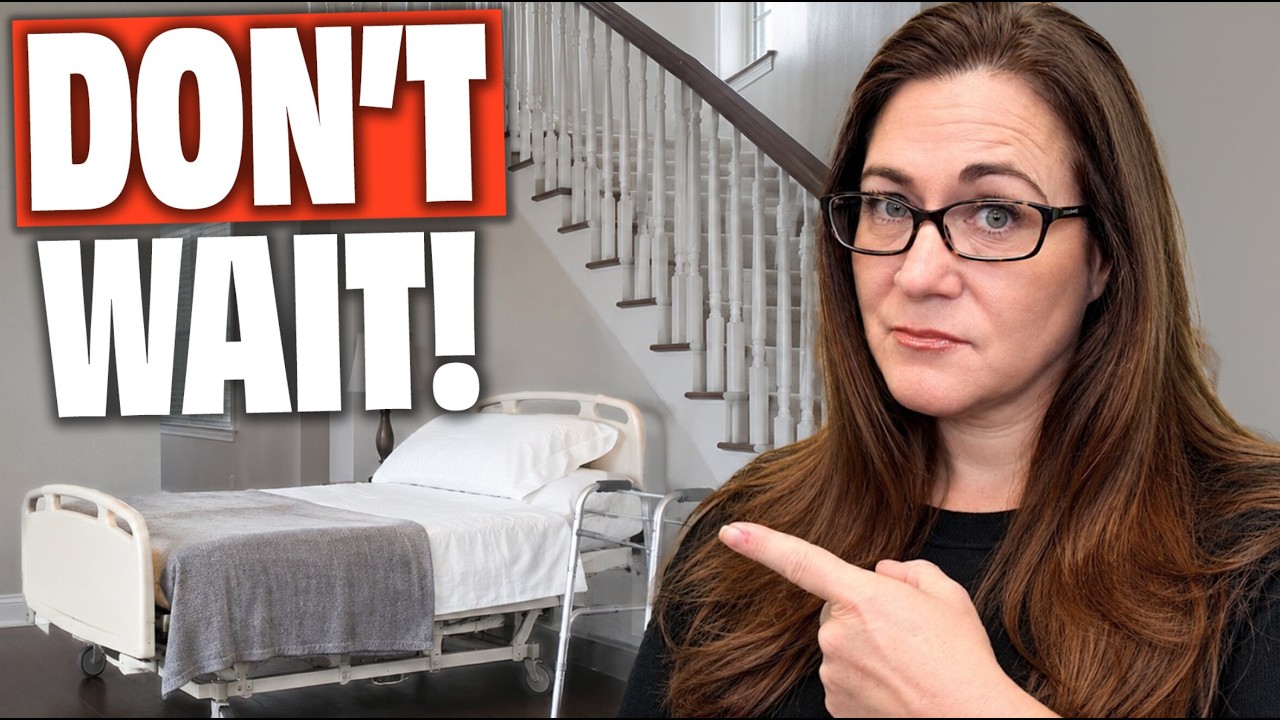
Two months ago in Oxnard, a couple told me, “Tricia, we’re just going to wait.” They loved their home. But three knee surgeries made the decision for them. Almost overnight, their living room became their bedroom, and getting upstairs wasn’t a possibility anymore.
I’ve helped homeowners over 60 and families with inherited homes across Ventura and Los Angeles counties for 10 years, and I see this decade from two sides: in my clients’ homes every month, and in my own family. Here are the 6 changes that catch long-term homeowners off guard between 65 and 75, and what to check right now while the choice is still yours.
1. Your Body Changes, and the Stairs Change With It
You can do everything right. Walk every day, eat well, stay active. And still, one surgery, one fall, or one bad knee can change how your house works overnight. According to the CDC, about 1 in 4 adults 65 and older report a fall each year, so this isn’t a rare “what if.”
I’m living this one right now. My husband just had surgery, and all I could think was, thank goodness we live in a single-story home with no stairs. That’s exactly what happened to the couple in Oxnard. Their house didn’t change. Their bodies did.
Try the 8-week stairs test. Pretend you can’t do stairs for 8 weeks. Where do you sleep? Where do you shower? Where do you cook? If the honest answer is “the living room,” your house is already making a decision for you. You just haven’t heard it yet. If stairs are already on your mind, read my guide to the 5 worst homes for seniors.
2. You Start Losing People, and the House Gets Quiet

This is the hardest one to talk about. Between 65 and 75, a lot of people lose a spouse. Friends move away to be closer to grandkids. The neighbors you’ve known for 30 years sell, and new families move in. The house that was full of holidays and kids running down the hall becomes four bedrooms for one person.
I’ll never forget one of my clients. We helped him and his wife buy their dream home, a big two-story with five bedrooms. A few years later, she passed away, and his daughter and granddaughter had moved out. He stayed two years, then realized he couldn’t keep up with that big house by himself, and honestly, he didn’t need it anymore. He sold and bought a single-story, three-bedroom home out of state, near his son. He didn’t rush. He took time to grieve. And when he was ready, he was the one who chose where he went next.
Here’s what I tell families. Don’t make a big decision in the first months after a loss. But don’t let the house make the decision either, with rooms you never go into, a yard that’s getting away from you, and repairs you keep putting off. The quiet isn’t a reason to sell. It is a reason to ask: “Is this house still taking care of me, or am I taking care of it?”
3. Your Mind Still Feels 45, but Your House Doesn’t Know That
Inside, you still feel like you. Same interests, same curiosity, same energy for the things you love. So when someone says “55+ community,” a lot of people think, “That’s not me. I’m not old enough for that.” I get it. My husband is 56, and a 55+ community wouldn’t be the fit for us right now. In 10 years, it might be perfect.
Here’s what surprises people when they actually visit a place like Leisure Village in Camarillo. It’s not what they pictured. It’s people in their 60s and 70s who are busy: golfing, in clubs, traveling, with a life they chose. You can see the Leisure Village floor plans and the quick facts to get a feel for it.
So the question isn’t “Am I old enough?” It’s “Does my house after 65 fit the life I actually want for the next 10 years?” Those are two very different questions.
4. Caring for Parents and Kids at Once: Your House Becomes the Family Drop Zone

You raised your kids. You worked for decades. You did your part. But a lot of people between 65 and 75 still have a parent in their 90s who needs them, plus grown kids and grandkids who need them too.
This one is personal for me. I help take care of my dad. He’s 80, and he has Alzheimer’s and dementia. I know what it’s like to juggle your own family, your work, and a parent at the same time. (My dad even sits in on my business webinars with me now, and he gets a kick out of it.)
When you’re in the middle, the spare bedroom fills up with a parent’s things, care supplies, or boxes from a kid who’s between places. And you’re thinking about two houses now: yours and your parent’s. Ask these questions early:
- Who would handle Mom or Dad’s house if something happened?
- Is there a trust, and is the house actually in it?
- Does someone have power of attorney?
- Are the kids on the deed? (Please read why you shouldn’t put your kids on your deed first.)
If you’re the one in the middle right now, I see you. It’s okay to start these conversations before there’s an emergency. That’s not giving up. That’s taking care of everyone, including you. If you’ve already been named trustee, here’s what to do first.
5. Your Energy Gets More Precious, and the House Wants More of It
Between 65 and 75, you start protecting your energy. Less drama, more time for the people and things that matter. But a house doesn’t care about that. The yard still needs mowing. The gutters still need cleaning, which usually means a ladder, the last place you want to be at 72. The rooms nobody uses still need heating, cooling, and dusting.
If you added up the hours you spend every month keeping up your house after 65, would you spend them that way if you had the choice? Or would you spend them with your grandkids, traveling, or just resting? Your house should give you energy, not drain it.
| What the house asks of you | What to check this month |
|---|---|
| Stairs to the bedroom or laundry | Could you live on one floor for 8 weeks? |
| Rooms nobody uses | How many rooms did you walk into this week? |
| Yard, gutters and ladders | Who does this now, and who will in 5 years? |
| Repairs you keep putting off | Write them down. Which ones would a buyer find first? |
| A parent’s house too | Trust, power of attorney, and who holds the keys |
6. Your Window to Choose Gets Smaller
Think about what a move actually takes: sorting through 30 years of things, fixing up the house or deciding not to, touring new places, packing, and settling in somewhere new. At 67, healthy and on your own schedule, you can do all of that your way. At 77, right after a fall or a hospital stay, every step gets harder, and somebody else is usually making the calls.
Between 65 and 75, it’s almost never a plan that moves people. It’s an event. A fall. A hospital stay. A parent who suddenly needs you. When the event decides, you lose your choices: when you move, where you go, and how much time you have to do it right. That’s how most downsizing regrets start.
So pick your someday. Even if it’s five years from now, pick it on purpose. And before you list anything, read what to know before you downsize.
Is Your House After 65 Still Working for You? 3 Questions for This Month
- If I couldn’t do stairs for 8 weeks, where would I live? If you don’t love the answer, that’s your first conversation.
- If something happened to me tomorrow, who would handle this house? Do they know where the trust is? Is the house actually in it? Does someone have power of attorney?
- What do I want my life to look like at 75? Not the house. The life. Then ask whether this house fits it.
I keep thinking about that couple in Oxnard. They didn’t do anything wrong. They loved their home, and they thought they had time. They just ran out of time to choose. It’s not downsizing that’s hard. It’s losing the right to choose when and how. And between 65 and 75, you still have that choice.
Frequently Asked Questions
What is the 8-week stairs test?
Pretend you can’t do stairs for 8 weeks. Where would you sleep, shower, and cook? If the honest answer is “the living room,” your house after 65 is already making a decision for you, and it’s time to start a plan.
Should I sell my house right after my spouse passes away?
Don’t make a big decision in the first months after a loss. Give yourself time to grieve. But do start asking, “Is this house still taking care of me, or am I taking care of it?” When you’re ready, you get to choose what comes next.
Am I too young for a 55+ community?
The better question is whether your house fits the life you want for the next 10 years. Many people who visit a community like Leisure Village in Camarillo find active people in their 60s and 70s golfing, joining clubs, and traveling.
What should I check about my parent’s house?
Who would handle the house if something happened? Is there a trust, and is the house actually in it? Does someone have power of attorney? It’s okay to start these conversations before there’s an emergency. An estate planning attorney can answer the legal questions.
When is the best time to plan a move after 65?
While you’re healthy and nobody is rushing you. Between 65 and 75, it’s usually an event, like a fall or a hospital stay, that forces a move. Pick your “someday” on purpose, even if it’s five years away.
Is keeping up a house too much after 70?
It depends on the house and on you. Add up the hours you spend each month on the yard, gutters, cleaning, and repairs. If you wouldn’t choose to spend that time this way, your house may be taking more energy than it gives back.
Not sure where to start? Let’s talk it through.
Have questions, real ones, specific ones? Reach out to my team and me directly, or book a free 30-minute call. We’ll look at what homes near you have sold for and build a plan on your timeline. And I’ll connect you with the right people, so you’re not figuring this out alone.
Want a clear step-by-step roadmap? Get my free guide for senior sellers.
Outside Ventura or Los Angeles County? We work with a trusted nationwide network of real estate professionals, and I’d be happy to connect you with the right person in your area.
Tricia Garcia & Steve Hise
Senior Real Estate & Inherited Home Specialist
805-424-6226
team@RealEstateToolbox.com
leisurevillagelife.com | realestatetoolbox.com
Real Estate Toolbox | DRE #02032007
This article is general information, not legal, tax or financial advice. For probate, trust or tax questions, talk with an estate attorney or CPA about your own situation.