
Fixing Up a House Before Selling? What to Say Before Anyone Spends $80,000
By Tricia Garcia, Senior Real Estate & Inherited Home Specialist | Real Estate Toolbox, eXp Realty
THE SHORT ANSWER
Fixing up a house before selling only makes sense when the numbers do. Before anyone spends money, compare what the house is worth as-is, what it could realistically sell for after the work, and what the work would cost, including permits, delays, and hidden problems like smoke damage. Often a cleanup and a few targeted fixes beat a big renovation.
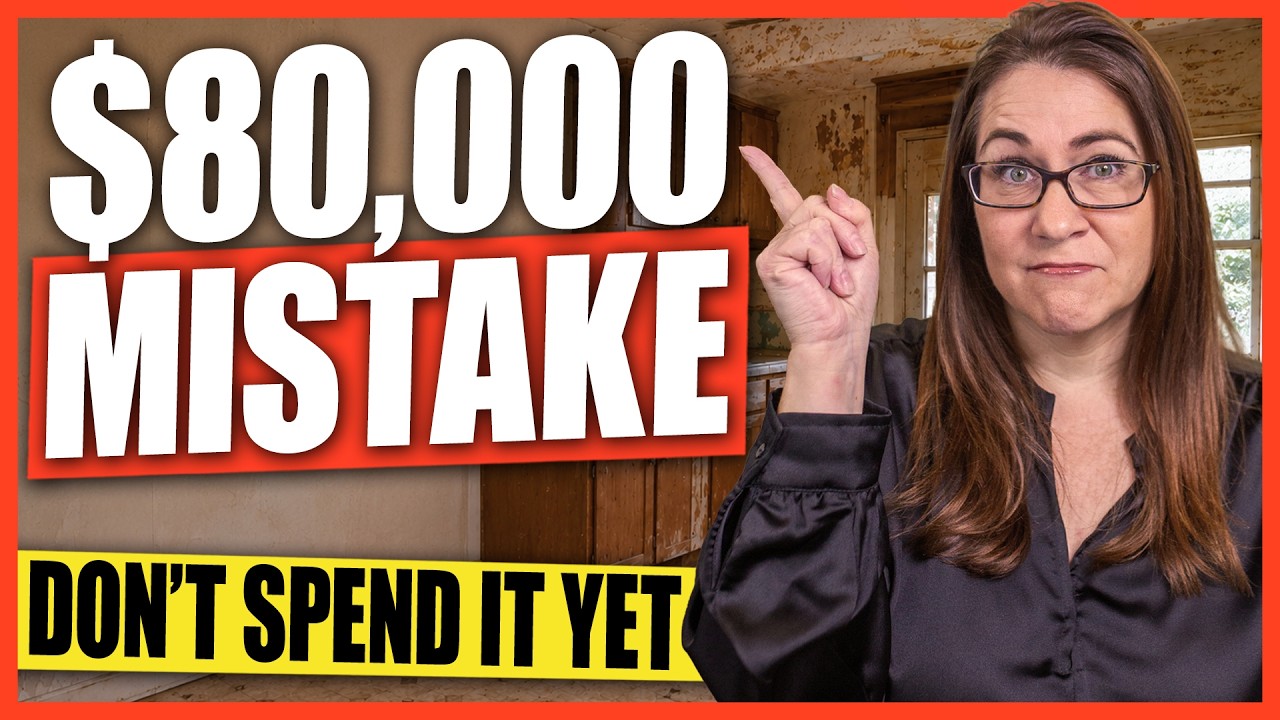
Three cousins inherited one house, with 50 years of belongings still inside. One cousin wanted to spend $80,000 fixing it up before they sold. His math: spend $80,000 now, make an extra $200,000 at closing.
There was one problem. The house had unpermitted additions, decades of deferred decisions, and years of cigarette smoke and nicotine in the walls and floors. Fixing up a house before selling can pay off, but that $80,000 plan could have been an expensive mistake.
I’m Tricia Garcia. For ten years I’ve helped people sell inherited and long-time homes in Ventura and Los Angeles County, with a lot of my focus in Leisure Village and Camarillo. This wasn’t a hypothetical. It was a listing appointment I walked into a few weeks ago. Here’s what we did before anyone spent a dollar, and the one sentence I’d want you to say if your relatives are having the same argument.
Three Heirs, Three Different Plans
The cousins had inherited the property together here in California, and each had a different idea about what should happen next. One wanted it handled. One wanted to understand what the house needed. One wanted to renovate.
The cousin who didn’t want a major renovation wasn’t being difficult. He wasn’t comfortable committing the estate to an $80,000 project without knowing whether the numbers made sense. That’s a reasonable place to be. If your relatives are having the same conversation, here’s what I’d want to know before anyone hires a contractor.
4 Reasons the $80,000 Plan Fell Apart
Fixing up a house before selling works best when you know the condition, the costs, and the buyer. With this house, we didn’t know any of those yet.
Unpermitted additions
Before improving those spaces, we needed to know what was permitted, what wasn’t, and how a buyer’s appraiser and the local building department might treat that square footage. The last thing you want is to spend thousands improving a space, then discover a much bigger issue underneath it.
Fifty years of belongings
A house that hasn’t been touched in decades usually needs to be cleared and assessed before anyone can judge its real condition.
Tricia’s tip: Clutter isn’t a renovation problem. It’s a visibility problem. You can’t price repairs you can’t see yet.
A best-case return
That $200,000 projection assumed a renovation that comes in on time, on budget, and exactly to plan. It sounds good on paper. But contractor overruns, permit delays, surprise repairs, and changes in what buyers want can all eat into that number before it ever reaches closing. Most plans for fixing up a house before selling quietly assume the best case.
Smoke and nicotine damage
Smoke doesn’t stay on the surface. It settles into drywall, flooring, ductwork, and other porous materials. A fresh coat of paint may not solve it, and the odor can come back. Proper remediation can involve specialty primers, deep cleaning, duct work, and flooring removal. None of that was in the original $80,000 plan.
Why Renovation TV Gives the Wrong Idea
Renovation shows are built around the big reveal. Selling is about return. Those are two different goals, and fixing up a house before selling should be judged on return alone. One viewer summed it up in the comments on my video: ignore all advice from popular TV shows. I laughed, but there’s truth to it.
If you’re going to live in a house for ten years and enjoy a new kitchen, that’s one calculation. If you’re going to sell it in three months, it’s a different one entirely. That’s the real math behind fixing up a house before selling. Targeted prep often pays off, as I show in Selling a House As-Is: The Most Expensive Advice Long-Term Homeowners Hear. A large renovation on a house with hidden problems is a different decision.
How to Get Everyone on the Same Page
Get a professional walk-through first
When fixing up a house before selling is on the table, start with a local real estate professional who knows what buyers are responding to in that market, and when it makes sense, a licensed contractor who can give you real bids, not guesses. In California, you can check a contractor’s license through the Contractors State License Board. What worked in the pandemic frenzy doesn’t automatically work in today’s market.
Turn opinions into facts
I pulled comparable sales for similar homes, including homes that sold as-is and homes that had been renovated, and sat down with the cousins to go through the numbers together. When it’s one relative’s opinion against another’s, nobody wins. When everyone looks at the same comps, the same bids, and the same costs, there’s much less to argue about.
Let a neutral third party carry the hard conversation
That’s part of what I’m here for. Nobody has to be the villain for suggesting the house sells as-is. If someone says, “Let’s put $80,000 into it. We’ll make it back when we sell,” here’s what I’d say instead:
“Before we spend anything, let’s find out what the house is worth as-is, what it could realistically be worth renovated, and what it would cost to get from one number to the other.”
Tricia Garcia
You’re not telling anyone they’re wrong. You’re saying, let’s get the numbers first.
What the Cousins Decided
Once everyone saw the comps, the contractor numbers, the permit questions, and what the house could realistically sell for in its current condition, the $80,000 renovation plan went away on its own. They decided to clear the property and sell it as-is. Nobody had to win the argument. The numbers won it for them.
Selling as-is didn’t mean doing nothing. Clearing out 50 years of belongings let buyers see the bones of the house, and it let the cousins compare real offers against real numbers. For some heirs, fixing up a house before selling is still the right call. The point is to decide with numbers, not hope.
Before anyone in your family commits to fixing up a house before selling, get these in writing:
- ✓What the house is worth as-is, based on comparable sales
- ✓What it could realistically sell for after the proposed work
- ✓Real bids from licensed contractors, not estimates from memory
- ✓Which additions or changes are permitted, and which aren’t
- ✓How long the work would take, and what the house costs to carry in the meantime
Not every dollar you put into a house comes back out. Knowing that before you spend it can be worth more than the upgrade itself. For repairs heirs often overspend on, read Skip These 3 Repairs Before You List, and for what turns buyers off, see 10 Things That Scare Buyers Away From Your Home. If you’ve inherited an older home, How to Sell an Outdated Inherited Home for Maximum Value walks through the options step by step.
Frequently Asked Questions
Should I fix up an inherited house before selling?
Fixing up a house before selling depends on the numbers. Compare what the house is worth as-is, what it could sell for after the work, and what the work would cost, including permits, delays, and carrying costs. Targeted fixes often pay off. Large renovations on a house with hidden problems often don’t.
How much should you spend fixing up a house before selling?
Only as much as the numbers support. Start with the as-is value from comparable sales, subtract it from a realistic after-work price, and compare that gap to real contractor bids plus carrying costs. If the gap is smaller than the cost, or too close to call, a cleanup and a few targeted fixes usually beat a bigger project when fixing up a house before selling.
Is fixing up a house before selling worth it?
Sometimes. Paint, flooring, lighting, and cleanup often return more than they cost. Big remodels rarely return their full cost when you’re selling within a few months, and surprises like permit issues or smoke damage can erase the gain.
Do unpermitted additions affect selling a house in California?
They can. Unpermitted space may be valued differently by appraisers and buyers, and it can raise questions with the local building department. Find out what’s permitted before you spend money improving that space, and talk with your agent about disclosure.
Can you get rid of cigarette smoke smell in a house?
Often, but paint alone usually isn’t enough. Smoke settles into drywall, flooring, and ductwork, so remediation may involve specialty primers, deep cleaning, duct cleaning, and replacing flooring. If you are fixing up a house before selling, budget for this separately.
What if heirs disagree about fixing up a house before selling?
Get the same facts in front of everyone: comparable sales, real contractor bids, and permit status. A neutral professional can walk everyone through them so the decision is based on numbers, not on who argues loudest. For legal or tax questions about the estate, talk with an attorney or CPA.
Have Questions About Your Home?
Not sure whether to fix it up or sell as-is?
Have questions, real ones, specific ones? Reach out to my team and me directly. If your family is deciding whether fixing up a house before selling makes sense, whether to sell it as-is, or first find out what it’s worth, book a free 30-minute call and we’ll get you real numbers before anyone spends a dollar.
Tricia Garcia & Steve Hise
Senior Real Estate & Inherited Home Specialist
805-424-6226
team@RealEstateToolbox.com
leisurevillagelife.com | realestatetoolbox.com
Real Estate Toolbox | eXp Realty | DRE #02032007