
Selling a House As-Is: The Most Expensive Advice Long-Term Homeowners Hear
By Tricia Garcia, Senior Real Estate & Inherited Home Specialist | Real Estate Toolbox, eXp Realty
THE SHORT ANSWER
Selling a house as-is is often the most expensive choice a long-term homeowner makes. An unprepared home draws investors instead of buyers who plan to live there, which can cost $50,000 to $100,000. A targeted refresh of paint, flooring, and lighting usually closes most of that gap without a full renovation.
If you’ve lived in your home for 20, 30, or 40 years and you’re getting ready to sell, someone has probably told you to sell it as-is. Skip the prep, list it, and deal with any issues when a buyer brings them up. It sounds sensible. In my experience, selling a house as-is is also the most expensive piece of advice long-term homeowners hear.
Most long-term owners who sell as-is walk away with $50,000 to $100,000 less than they could have. Not because the home is bad, but because an unprepared home attracts a different kind of buyer. Below are the real numbers, a real Ventura County example, and a plan for deciding what to fix and what to skip.
I’m Tricia Garcia. For ten years I’ve helped long-term homeowners, many of them seniors, sell in Ventura and Los Angeles County, with a lot of my focus in Leisure Village and Camarillo. Our team brings over 40 years of combined experience. When I say I’ve watched this advice cost people tens of thousands of dollars, I mean it.
Why “Sell It As-Is” Sounds Like Good Advice
You’ve probably heard it from someone you trust: a friend, a relative, maybe even an agent. And I understand why it sounds reasonable. You’ve been in the home a long time. Life happened. Some things didn’t get fixed. Maybe health got in the way, or time ran out.
Now the idea of hiring contractors on top of packing, downsizing, and planning a move feels like too much. So skipping the prep feels like the smart, practical choice. Here’s the problem: an unprepared home doesn’t sell for a little less. It attracts a different buyer altogether.
Who Buys an Unprepared Home
Buyers who want a move-in ready home to live in are shopping online. If your photos show dated finishes or unfinished projects, they keep scrolling. They never come see it in person.
The buyers who do show up are often investors. They buy homes like yours, fix them up, and resell them for a profit. I know how they think because I’ve worked with them. They walk in already knowing what your home is worth once it’s updated, and their offer leaves room for renovation costs plus their profit.
Most sellers don’t realize that’s who they’re negotiating against. They think a low offer is only a low offer. But the investor already knew what the home was worth. They needed the seller not to know. That’s the hidden cost of selling a house as-is.
Your Listing Photos Decide Who Shows Up
According to research from the National Association of REALTORS, 97% of homebuyers used the internet in their home search. That means your listing photos are the first showing. If they don’t catch a buyer’s attention, that buyer moves on without ever scheduling a visit.
When you’ve lived somewhere for decades, you stop noticing the wear. The faded paint. The dated light fixtures. The small project that never got finished. To you, it’s home. To a buyer scrolling on a phone, those things stand out right away.
And as more long-term owners sell, buyers have more choices. Given two similar homes, most will pick the one that looks ready over the one that looks like work, almost every time.
What Selling a House As-Is Costs You
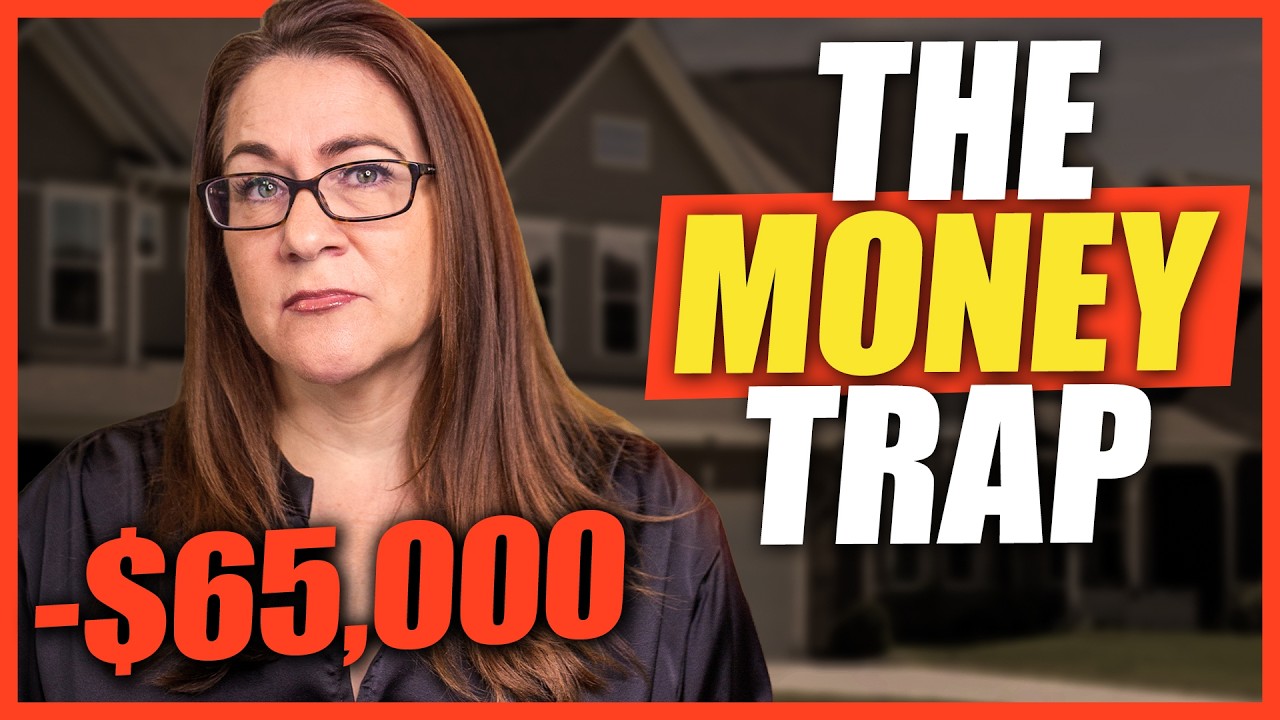
In my experience, on a $650,000 home, selling a house as-is typically costs the seller around $65,000. That’s not a worst-case number. That’s typical. I’ve personally seen long-term owners lose more than $100,000 they didn’t have to lose, because the right buyer never made an offer.
The good news: you don’t need a full renovation to close that gap. When most people hear “prep work,” they picture months of contractors, endless decisions, and money going out before anything comes in. That’s not what I’m talking about.
Case Study: A $19,000 Refresh in Ventura
I recently worked with a couple in Ventura who had lived in their condo for 38 years. Over time, with health issues and life getting busy, the home had fallen behind. Mismatched vinyl flooring from a project that was never finished. The original kitchen and bathrooms. Faded paint. Blinds that didn’t fit. Old cables still in the walls.
It was a great property: an end unit facing a large greenbelt in a desirable complex. But none of that came through in the condition of the home. So we put together a targeted refresh:
- ✓New flooring throughout
- ✓Fresh paint in every room
- ✓Updated lighting and new blinds
- ✓A bathroom reglaze instead of a remodel
My team handled the process from start to finish. We gathered the quotes, the couple reviewed everything and made the decisions, they paid a small deposit up front, and the rest was paid through escrow at closing. A small crew finished in less than two weeks. When the couple walked back in, they couldn’t believe it was the same place.
The total cost was $19,000. Without the prep, I estimated the home would have sold for $590,000 to $600,000. With the refresh, it sold for over $650,000. That’s a $50,000 to $60,000 difference compared with selling a house as-is, from $19,000 of targeted work. The couple moved to a senior community nearby, happy knowing the next owners would build their own memories in a home they had loved.
What to Fix and What to Skip Before You Sell
The gap between an as-is price and a prepared price doesn’t close on its own. It takes knowing what to fix, what to skip, and how to manage the process. Here’s how I usually think about it with long-term homeowners.
Usually worth fixing
The things that change how a home looks in photos and feels in person for the least money: fresh neutral paint, new flooring where it’s worn or mismatched, brighter lighting, window coverings that fit, a deep clean, and small repairs a buyer would notice on a walk-through, like a dripping faucet or a sticking door.
Usually worth skipping
Full kitchen remodels, moving walls, and big personal-taste upgrades rarely pay you back before a sale. Some can even work against you, as I explain in 12 Home Upgrades That Hurt Resale Value. For repairs sellers often overspend on, read Skip These 3 Repairs Before You List.
When selling as-is does make sense
Sometimes it is the right call. If timing matters more than price, if health or a move to care can’t wait, or if the home needs major structural work, selling a house as-is can be the better path. The key is to compare both numbers, the as-is price and the prepared price minus prep costs, before you decide. If you’ve inherited an older home, How to Sell an Outdated Inherited Home for Maximum Value walks through the same choice.
“Most sellers who lose money on an as-is sale don’t realize what they gave up until it’s already done. You don’t have to be one of them.”
Tricia Garcia
Frequently Asked Questions
Is it better to sell a house as-is or fix it up?
For most long-term homes, targeted prep like paint, flooring, and lighting brings a higher net price than selling a house as-is, because it attracts buyers who plan to live in the home instead of investors pricing in a renovation. Selling as-is makes sense when time, health, or major structural problems outweigh the price difference.
How much less do you get when selling a house as-is?
It depends on the home and the market. In my experience, a dated home often sells for about 10% less as-is, around $65,000 on a $650,000 home, and sometimes more than $100,000 less.
What should I fix before selling an older home?
Focus on what shows in photos and on a walk-through: neutral paint, worn or mismatched flooring, lighting, window coverings, a deep clean, and small visible repairs. Skip full remodels unless your agent can show they’ll pay you back.
Can I pay for pre-sale repairs at closing?
Sometimes. In the Ventura example, the couple paid a small deposit and the rest was paid through escrow when the home sold. Whether that’s possible depends on the vendors and your transaction, so ask your agent before work begins.
Who buys houses as-is?
Mostly investors and cash buyers who plan to renovate and resell. They price in repair costs plus a profit margin, which is why as-is offers usually come in lower.
Have Questions About Your Home?
Thinking about selling a long-term home?
Have questions, real ones, specific ones? Reach out to my team and me directly. If you’re thinking about selling a long-term home in Leisure Village, Camarillo, or anywhere in Ventura or Los Angeles County, book a free 30-minute call. It’s not a sales call. It’s a look at your situation and what makes sense for your home.
Tricia Garcia & Steve Hise
Senior Real Estate & Inherited Home Specialist
805-424-6226
team@RealEstateToolbox.com
leisurevillagelife.com | realestatetoolbox.com
Real Estate Toolbox | eXp Realty | DRE #02032007