


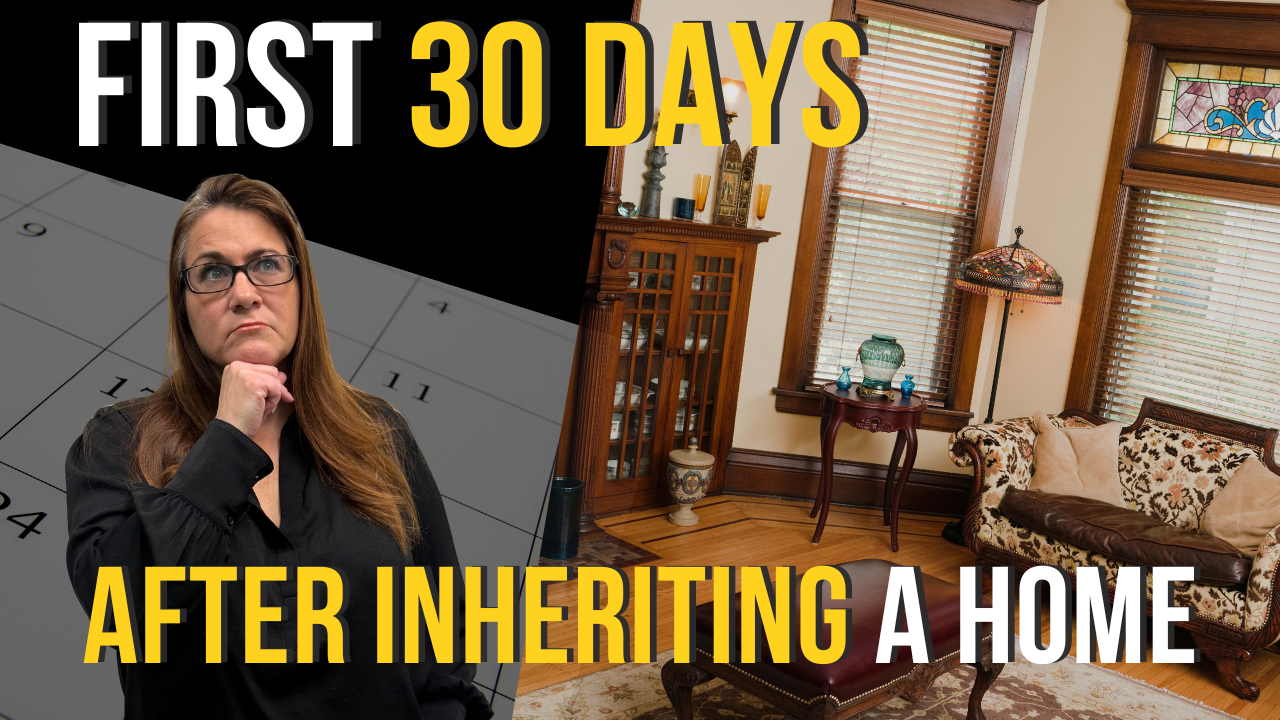

Inherited a Home? First 30 Days Guide (Avoid Mistakes)
When you inherit a home, no one hands you a clear plan.
Inheriting a home can be an overwhelming experience. It comes not only with emotional challenges but also with a plethora of decisions that can affect your financial future. It’s essential to take your time and approach this task with a clear mind. For instance, consider speaking with a financial advisor who can provide insights into how this property fits into your long-term financial plans. Explore the implications of maintaining or selling the home, and evaluate your own readiness to take on the responsibilities that come with it.
You’re often navigating grief, family conversations, and a long list of unexpected responsibilities—all at the same time. And while it may feel like you need to act quickly, the truth is this: the first 30 days are not about rushing decisions… they’re about creating clarity.
For California homeowners 55 keep low property taxes when relocating, understanding the nuances of inheritance can be crucial.
Understanding property tax laws is crucial for California homeowners, especially those over 55. California homeowners 55 keep low property taxes when relocating by utilizing Proposition 19, which can significantly impact your property tax situation. It allows eligible homeowners to transfer their tax base from their previous home to a new one, but there are specific rules regarding inheritance. Knowing these nuances can help you keep your property taxes low while ensuring compliance with state laws.
If you take the right steps early on, you can avoid costly mistakes, reduce stress, and give yourself the space to make thoughtful decisions that truly serve your family.
WHO THIS GUIDE IS FOR
This guide is for:
-
Families who recently inherited a home
-
Adult children handling a parent’s property
-
Heirs navigating probate in California
-
Homeowners in Ventura County and Los Angeles County
Why the First 30 Days After Inheriting a Home Matter
The first month sets the tone for everything that follows.
Many families unintentionally create complications early on—whether it’s rushing to clean out the home, making unnecessary repairs, or contacting the wrong people first. These decisions can impact taxes, timelines, and even family relationships.
Even seemingly minor decisions, like choosing who to contact first, can have long-lasting implications. For instance, contacting a real estate agent too early may lead to rushed assessments of the home’s value, which might not reflect its true worth. Take the time to research and understand the current real estate market in your area. This knowledge can empower you to make decisions that maximize the home’s potential value.
The goal during this time is simple: stabilize the situation before making any major moves.
Step 1: Secure the Property
One of the first and most important steps is making sure the property is safe and protected.
Start by changing the locks and securing all entry points. If the home will be vacant, consider installing a basic security system or cameras. You’ll also want to collect mail regularly or place a hold with the post office to avoid signaling that the home is unoccupied.
In addition to securing entry points, consider engaging a professional to assess the property’s condition. A home inspection can help identify any hidden issues that need attention, such as plumbing or electrical problems. This proactive approach can save you money and stress down the line, especially if you decide to sell the home.
Step 2: Locate Important Documents
Before making any decisions, gather the key paperwork tied to the home and estate.
Additionally, it’s beneficial to create a checklist of documents to gather. This can streamline the process and ensure you don’t overlook any critical paperwork. For example, include tax returns, any previous appraisals, and inspection reports. Having all relevant documents organized can facilitate smoother discussions with professionals you may consult.
This may include a will or trust, property deed, mortgage statements, insurance policies, and utility account information. These documents will help you understand ownership, responsibilities, and what steps come next.
If you’re unsure where to begin, focus on locating anything that identifies who has legal authority over the property.
Step 3: Who to Contact (and Who Can Wait)
Not every phone call needs to happen right away.
In the beginning, your priority should be contacting essential parties such as the estate attorney (if applicable), insurance provider, and utility companies. These are the people who help stabilize the situation.
What can wait? Contractors, cleaners, and even real estate decisions. Many families feel pressure to “do something,” but in most cases, slowing down leads to better outcomes.
Step 4: Don’t Rush Repairs or Clean-Out
This is where many families make expensive mistakes.
It might feel productive to start cleaning out the home or making updates right away, but doing so too early can lead to unnecessary costs—or even regret.
Take time to understand the full situation before making changes. In many cases, the home may not need major repairs to sell, and certain items inside the home may have financial or sentimental value that shouldn’t be rushed through.
Step 5: Understanding the Financial Side
There are a few key financial elements to understand early on.
Understanding how mortgage obligations are affected by inheritance is also essential. If the inherited property has an outstanding mortgage, you need to determine how that impacts your financial responsibilities. It may be necessary to consult with a mortgage advisor to explore options such as refinancing or loan assumption, which can impact your financial strategy moving forward.
This includes whether there is a mortgage, ongoing utility costs, property taxes, and how inheritance may impact your financial situation. In California, this can also involve understanding property tax reassessment and how Proposition 19 may apply.
You don’t need all the answers immediately—but having a general understanding will help guide your decisions moving forward.
Step 6: Narrowing Your Direction
At some point during the first 30 days, you’ll begin thinking about what comes next.
Your decision should also consider the emotional aspects involved. For instance, if the home holds significant sentimental value, it might be worth keeping it even if the financial analysis suggests selling. Balancing emotional connections with practical considerations is crucial, and discussing these feelings with family members can help you arrive at a consensus.
Will you keep the home, rent it out, or sell it?
There is no one-size-fits-all answer. The right decision depends on your financial situation, your family’s needs, and the condition of the property. What matters most is that the decision is made with clarity—not pressure.
BEFORE YOU MAKE ANY DECISIONS
Before you clean out the home, make repairs, or decide to sell, it’s important to understand your options first.
Many families overlook the importance of communication during this time. Regular family meetings can ensure everyone is on the same page regarding decisions and future steps. This approach helps avoid misunderstandings and keeps relationships intact as you navigate this challenging process together.
A quick conversation can often save families thousands of dollars and weeks of unnecessary stress.
Common Questions About Inheriting a Home
What should I do first when I inherit a house?
Start by securing the property, changing locks, gathering important documents, and contacting key professionals before making major decisions.
Do I have to sell an inherited home right away?
No. In most cases, you can take time to understand your options before deciding whether to keep, rent, or sell the home.
Should I fix up an inherited home before selling?
Not always. Many inherited homes can be sold as-is, and rushing repairs can create unnecessary expenses.
What happens to property taxes when you inherit a home in California? Inherited property may be reassessed depending on the situation and how the property will be used.
A Reminder for Families
If you’re in this situation right now, take a breath.
Remember that it’s perfectly acceptable to seek support. Whether it’s from friends, family, or professionals, having a support system can make a significant difference. Emotional well-being is just as important as managing the practical aspects of inheriting a home.
You are not behind. You are not expected to have all the answers immediately. And you don’t need to make big decisions in the first few weeks.
This process is both emotional and practical—and it’s okay to move through it step by step.
Local Insight for Ventura County & LA County
If you’re handling an inherited home in areas like Simi Valley, Thousand Oaks, Moorpark, Camarillo, Woodland Hills, Granada Hills, or surrounding communities, local market conditions, property taxes, and buyer demand can all impact your decision.
Market conditions can vary dramatically even within a county. For example, homes in the Simi Valley may sell faster than those in Moorpark. Therefore, researching local trends and patterns can provide insights that help you make informed decisions about your inherited property.
Having a clear plan specific to your area can make a significant difference in your outcome.
How to Get Help With an Inherited Home
If you need guidance specific to your situation, you don’t have to figure this out alone.
I help families throughout Ventura County and Los Angeles County navigate inherited homes with a clear, step-by-step plan—whether that means preparing the property, understanding your options, or simply answering your questions so you can move forward with confidence.
Consider setting up a consultation with a real estate professional who specializes in inherited properties. Their expertise can provide tailored advice suited to your unique situation, ensuring that you make informed choices rather than reactive ones influenced by immediate stress.
👉 Schedule a call here:
https://realestatetoolbox.com/book-a-call
Real Estate Toolbox Team
Steve Hise • Tricia Garcia • Pat Saraceno
Serving Simi Valley, Ventura County & Los Angeles County
📞 805-424-6226
📧 Agents@RealEstateToolbox.com
🌐 www.RealEstateToolbox.com
eXp Realty — Licensed CA Real Estate Professionals
CA DRE #01702055 • CA DRE #02032007 • CA DRE #01052064
Nationwide referral network available.
For California homeowners 55 keep low property taxes when relocating, it’s vital to understand the local market and legal implications of your decisions regarding inherited properties. This guide aims to support you through the emotional and practical steps necessary to navigate this challenging time.