
5 Hidden Home Hazards Putting Seniors at Risk (Easy Fixes Before You Fall)
By Tricia Garcia, Senior Real Estate & Inherited Home Specialist | Real Estate Toolbox, eXp Realty
THE SHORT ANSWER
The most common hidden home hazards for seniors are loose rugs and cords, cluttered paths, dim lighting, slippery bathrooms without grab bars, and stairs or thresholds without secure rails or ramps. Most hidden home hazards can be fixed quickly and cheaply, often for under $50.
Understanding the nuances of home safety is vital for seniors, especially in environments designed for their comfort. This guide aims to shed light on the hidden home hazards putting seniors at risk, providing insights on how to mitigate these dangers effectively.
When it comes to senior safety at home, the most dangerous risks are often the ones we can’t see or the ones we overlook because they’ve become part of our daily routine. According to the CDC, falls are the leading cause of injury death among adults 65 and older, which is why prevention matters so much. Implementing simple, affordable home modifications can have a significant impact on safety. For instance, adding grab bars in bathrooms and ensuring proper lighting can drastically reduce the risk of falls. Furthermore, incorporating non-slip strips in areas prone to moisture and ensuring that flower pots or other decorative items do not obstruct walking paths can also enhance safety.
As a real estate professional specializing in senior transitions, downsizing, and aging in place, I’ve walked through countless homes with older adults and their families. A recurring theme is the same fall hazards that quietly increase risk without anyone realizing it. Most of these issues can be remedied quickly, often for under $50. For instance, securing loose rugs with non-slip pads is an easy fix that can prevent dangerous slips. Moreover, utilizing cord management solutions can greatly reduce tripping hazards. These small, manageable improvements make an enormous difference in the safety and comfort of seniors who wish to maintain their independence in their own homes.
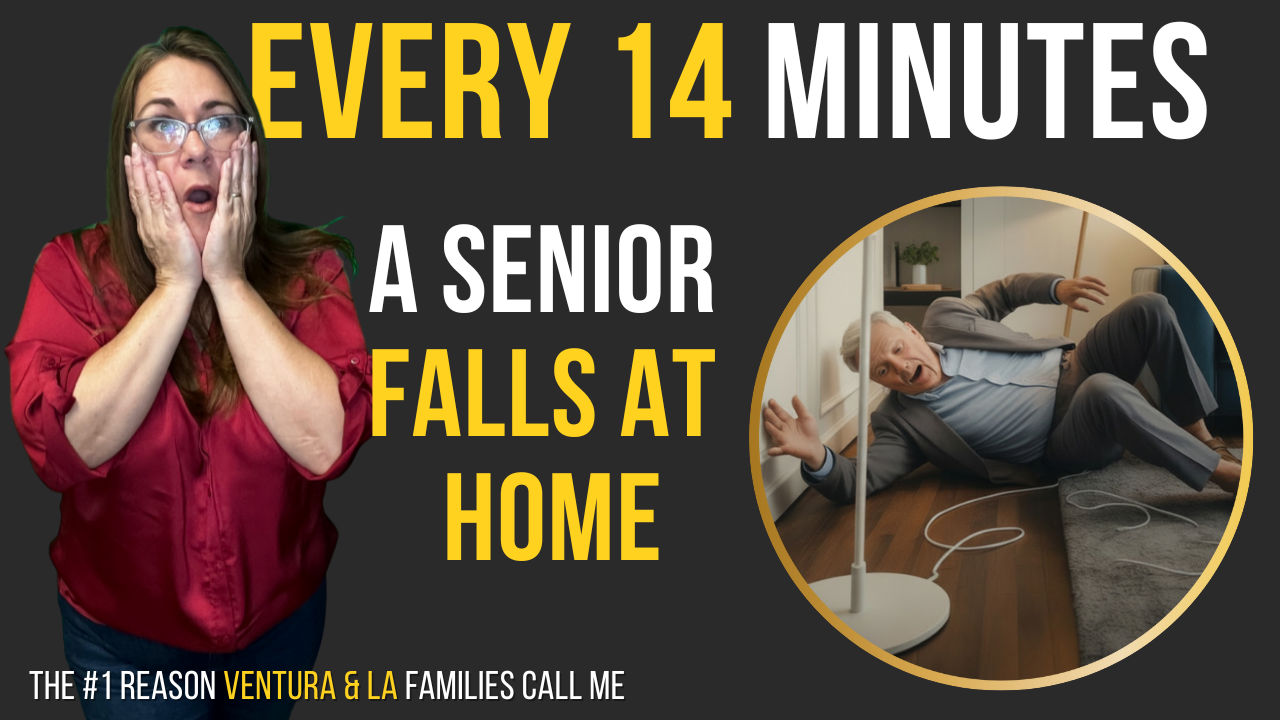
Rugs, Clutter, Cords, and Poor Lighting
The first danger families often overlook is the combination of loose rugs, cluttered pathways, and tangled electrical cords. Though these may seem like minor inconveniences, they are among the most frequent causes of falls in seniors. By employing strategies like non-slip rug pads, organizing cords using cable management solutions, and performing quick decluttering sessions, families can drastically reduce risk. Additionally, poor lighting remains a persistent hazard, dark hallways and low-wattage bulbs can pose considerable threats to visibility. Enhancing lighting with brighter, energy-efficient bulbs, incorporating motion-sensor night lights, and adding inexpensive LED strips can significantly improve safety, facilitating better navigation for seniors in their homes.
Bathroom Hazards
Bathrooms are another major hazard area. Wet floors, slippery showers, and the absence of grab bars contribute to significant risks for seniors. Installing non-slip mats, textured shower strips, and strategically positioned grab bars near toilets and showers enhances stability and reduces injury chances. Many people are surprised to learn that professionally installed bathroom safety features not only improve daily living but can also appeal to buyers when you sell. Moreover, incorporating a shower chair and a handheld shower head can create a safer and more comfortable bathing experience for seniors, allowing them to maintain personal hygiene without the risk of falls.
Stairs and Floor Transitions
Staircases present unique risks, especially in the absence of secure handrails. Seniors often underestimate the need for stability on stairs; thus, ensuring a secure handrail on both sides stands as one of the most effective safety enhancements. For single-story homes, uneven thresholds and floor transitions pose hidden threats. Even a slight difference in floor height can lead to stumbles or falls. Installing threshold ramps or smoothing transition strips can eliminate these dangers effectively. Additionally, ensuring staircases are well-lit with bright fixtures or motion-activated lights further diminishes fall risks during nighttime navigations.
How to Talk About Home Safety
Fall prevention encompasses not only physical modifications but also effective communication. Many adult children grapple with how to broach safety discussions with aging parents without seeming forceful or disrespectful. The key lies in approaching these conversations with empathy, framing them around the desire for independence, comfort, and safety in their cherished home. Minor adjustments today, such as rearranging furniture for better access, can prevent significant injuries tomorrow. Encouraging seniors to express their concerns and preferences fosters an open dialogue about safety, paving the way for cooperative solutions that work for everyone involved.
Fixing Hidden Home Hazards for Aging in Place
Aging in place safely is achievable through the right home modifications and guidance. Whether it’s creating a safer living environment, navigating inherited properties, or preparing for downsizing transitions, thoughtful planning is essential. My mission is to assist families throughout Ventura and Los Angeles Counties in making informed decisions that enhance safety, independence, and long-term wellbeing. By walking through the home and addressing hazards, families can foster a secure environment that significantly improves the quality of life for seniors.
If you’d like personalized guidance or assistance connecting with reliable home safety professionals, I am here as a resource. I can help you spot common hazards and connect you with qualified professionals to fix them. Collaborating with you ensures that all modifications align with your loved one’s specific needs and preferences, thereby making the home safer and more comfortable for everyone involved.
A Room-by-Room Checklist
The easiest way to find hidden home hazards is to walk the house slowly with fresh eyes, one room at a time.
- ✓Entry: a sturdy handrail on any step, bright outdoor lighting, and a spot to set bags down while you open the door
- ✓Kitchen: everyday dishes and pans stored between waist and shoulder height, and a sturdy step stool with a handle instead of a chair
- ✓Bedroom: a lamp you can reach from bed and a clear path to the bathroom
- ✓Bathroom: grab bars, a non-slip mat, and a shower chair if standing is tiring
- ✓Hallways: no cords, piles, or loose rugs, and night lights along the route
- ✓Garage: a clear path from the car to the house and a light switch at the door
Most of these fixes cost little and take an afternoon. Doing them together makes a bigger difference than any single change.
Kitchen, Water, and Fire Hazards
Falls get the most attention, but they are not the only hidden home hazards. Hot water can scald before you have time to react, so many experts suggest setting the water heater to about 120 degrees. On the stove, an automatic shut-off device can turn off a burner that has been left on. And every home needs working smoke alarms and carbon monoxide alarms, tested monthly.
Keep a small fire extinguisher in the kitchen, and make sure it is light enough to lift and simple to use. A list of medications and emergency contacts on the refrigerator helps responders if they are ever needed.
Who Can Help You Find Hidden Home Hazards
An occupational therapist can do a home evaluation and recommend changes based on how you move day to day. Ask your doctor for a referral, since Medicare may cover occupational therapy when it is medically necessary. For installations like grab bars or a walk-in shower, hire a licensed contractor you can verify through the California Contractors State License Board.
If you are thinking about selling instead of updating, these same fixes can also help a home show better. A local agent can tell you which updates buyers notice and which ones you can skip.
Frequently Asked Questions
What are the most common hidden home hazards for seniors?
Loose rugs, cords, clutter in walkways, poor lighting, slippery bathrooms without grab bars, and steps or thresholds without secure rails are among the most common.
Can an occupational therapist check my home for hazards?
Yes. Occupational therapists do home evaluations and suggest practical changes. Ask your doctor for a referral, and check whether Medicare covers it in your situation.
What temperature should a water heater be set to?
Many experts recommend about 120 degrees to lower the risk of scalds while still providing enough hot water for daily use.
Keep Reading
- ✓Selling to Buyers Over 55: 10 Home Features They Want Most
- ✓Downsizing After Retirement: Why It’s a Transition, Not a Transaction
- ✓Moving to a Smaller Home? 7 Things to Decide Before You Pack
Have Questions About Your Home?
Thinking about Leisure Village?
Have questions, real ones, specific ones? Reach out to my team and me directly. If you’re thinking about a move in Leisure Village, Camarillo, or anywhere in Ventura or Los Angeles County, book a free 30-minute call. No pressure, just a real conversation about your options.
Tricia Garcia & Steve Hise
Senior Real Estate & Inherited Home Specialist
805-424-6226
team@RealEstateToolbox.com
leisurevillagelife.com | realestatetoolbox.com
Real Estate Toolbox | eXp Realty | DRE #02032007