
Downsizing After 60: What No One Tells You About Letting Go of Your Home
By Tricia Garcia, Senior Real Estate & Inherited Home Specialist | Real Estate Toolbox, eXp Realty
THE SHORT ANSWER
Downsizing for seniors after 60 is as much emotional as practical. Start early, define your why, sort one room at a time, and don’t let pressure rush you. Planned well, downsizing for seniors after 60 leads to less upkeep and a home that fits your life now.
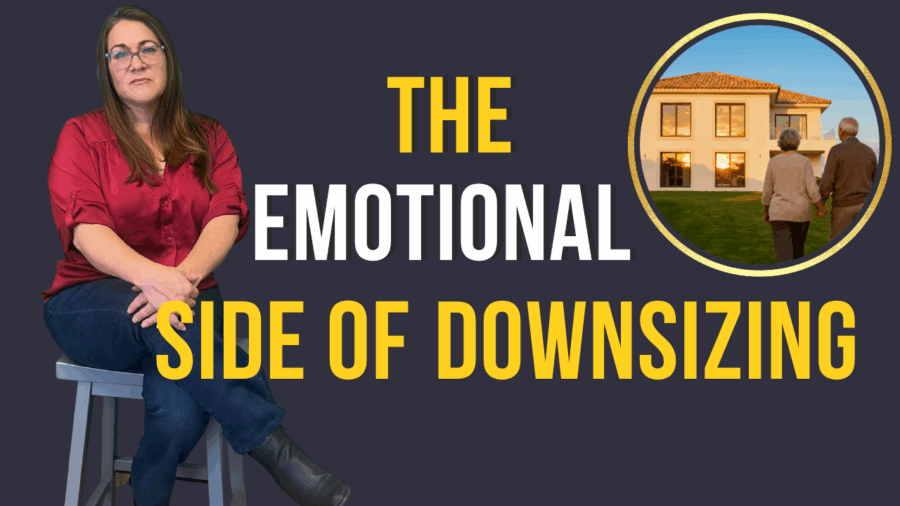
Downsizing for Seniors After 60: The Emotional Side Nobody Talks About
Downsizing for seniors after 60 is not just about moving into a smaller home. For many homeowners, it’s one of the most emotional decisions they’ll ever make. Letting go of a home filled with years, sometimes decades, of memories can feel overwhelming, even when the move makes sense financially and practically.
For homeowners in Ventura County, Los Angeles County, and those considering a move into a 55+ community like Leisure Village in Camarillo, understanding both the emotional and financial sides of downsizing for seniors after 60 is key to making a confident decision.
Why Downsizing for Seniors After 60 Feels So Emotional
One of the biggest surprises for many homeowners is that downsizing is not just a logistical process, it’s deeply personal. Your home represents more than a place to live. It holds milestones, family gatherings, routines, and a sense of identity. This is why the process can feel heavier than expected, even when you know it’s the right next step.
Many people assume downsizing will feel like a relief right away. While that can be true, it often starts with uncertainty. Questions like “Am I making the right decision?” or “What if I regret this?” are very common. Understanding that these feelings are normal can make the process feel less overwhelming.
5 Costly Mistakes to Avoid When Downsizing After 60
There are common mistakes that can make downsizing for seniors after 60 harder than it needs to be. Here are the five I see most often.
Waiting too long to start the conversation
The longer downsizing gets pushed off, the more it tends to feel like an emergency decision instead of a planned one. Starting the conversation early, even before you’re ready to act, gives you room to think clearly instead of reactively.
Rushing decisions under pressure
Whether the pressure comes from family, timing, or an unexpected life change, rushed decisions rarely feel good afterward. Downsizing works best when it’s approached with a plan and enough time to make thoughtful choices.
Underestimating the emotional side
Many homeowners focus only on the physical aspects, packing, selling, logistics, without preparing for the emotional transition. Taking time to acknowledge this part of the process can make a significant difference in how smooth the experience feels.
Trying to do everything at once
Downsizing does not have to happen all at once. Trying to sort an entire home’s worth of belongings in one push is one of the fastest ways to feel overwhelmed and stall out.
Not defining your “why” first
Are you looking for less maintenance, a different lifestyle, or to be closer to family? Without a clear reason driving the decision, every choice along the way feels harder than it needs to be.
How to Make Downsizing After 60 Easier
If you’re starting to think about downsizing for seniors after 60, there are ways to make the process easier.
- ✓Begin by creating a simple plan built around your “why”, less maintenance, a lifestyle change, or proximity to family.
- ✓Start small. Sort through one room or category at a time instead of tackling the whole home at once.
- ✓Acknowledge the emotional side explicitly, rather than treating the move as a purely logistical task.
- ✓Involve family early, so the process feels supported rather than isolating.
For many homeowners, there comes a point where maintaining a larger home no longer makes sense, due to upkeep, mobility concerns, or simply a desire for a more simplified lifestyle. Downsizing can open the door to less stress, more flexibility, and a home that better fits your current needs.
Is a 55+ Community the Right Next Step?
For those considering a move into a 55+ community, this can be an especially positive transition. Communities like Leisure Village in Camarillo offer a lifestyle designed for comfort, convenience, and connection. With amenities, lower-maintenance living, and a strong sense of community, many homeowners find that this type of move enhances their quality of life.
The key is not to rush the process. Downsizing after 60 is not just a transaction, it’s a transition. With the right information, support, and plan in place, you can move forward in a way that feels right for you and your family.
Your Next Step
If you’re thinking about downsizing, selling a long-time home, or just trying to understand your options, you don’t have to figure it out alone. Have questions, real ones, specific ones? Reach out to my team and me directly.
The Money Side of Downsizing After 60
The emotional side often gets the most attention, but the numbers matter too. Two rules come up in almost every plan for downsizing for seniors after 60 in California. First, if you have lived in your home for at least two of the last five years, you may be able to exclude up to $250,000 of gain from income tax, or $500,000 if you are married filing jointly. Second, if you are 55 or older, Prop 19 may let you transfer your current property tax base to your next California home, generally within two years of selling.
Then compare the full monthly cost of staying with the cost of your next home, including HOA dues, insurance, utilities, and upkeep. A CPA can confirm the tax side for your situation.
Keep, Give, Sell, or Donate
Sorting a lifetime of belongings is where many people get stuck. Try working one room or one category at a time, and use four simple piles: keep, give to someone, sell, or donate. Start with low-emotion areas like linens and kitchen duplicates, and save photos and letters for last.
For a step-by-step method, read How to Declutter Before Downsizing Without Overwhelm, Guilt, or Drama.
Choosing Your Next Home
When you are downsizing for seniors after 60, look for a home that will still work for you in ten or fifteen years. Single-story living, a step-free entry, a walk-in shower, and a short drive to your doctors all matter more than a big yard or an extra bedroom. Many people also like the built-in social life of a 55+ community like Leisure Village in Camarillo.
Tour a few options before you decide, and picture an ordinary weekday in each one. The right home is the one that makes that day easier.
Frequently Asked Questions
Why is downsizing after 60 so emotional?
Downsizing often means leaving a home filled with years of memories, routines, and life experiences. The emotional attachment can be just as strong as the practical considerations, which is why it’s important to plan for the emotional side, not just the logistics.
How do I know when it’s time to downsize?
Many homeowners begin considering downsizing when maintenance becomes difficult, mobility changes, or they want a simpler and more manageable lifestyle.
What is the hardest part of downsizing for seniors?
The emotional attachment to the home is often the most challenging part of downsizing for seniors after 60, more than the physical process of moving.
Can downsizing improve quality of life?
Yes. Many homeowners find that downsizing reduces stress, lowers maintenance responsibilities, and creates a more comfortable and manageable living environment.
What are the benefits of moving to a 55+ community like Leisure Village?
55+ communities often offer lower-maintenance living, amenities, social opportunities, and a supportive environment designed for long-term comfort and lifestyle.
How much can I save by downsizing after 60?
It depends on your home, taxes, and the next home you choose. Many people save on utilities and upkeep and free up equity, especially if they qualify for the home sale exclusion and Prop 19.
Keep Reading
- ✓Downsizing After Retirement: Why It’s a Transition, Not a Transaction
- ✓How to Declutter Before Downsizing Without Overwhelm, Guilt, or Drama
- ✓Moving to a Smaller Home? 7 Things to Decide Before You Pack
Have Questions About Your Home?
Thinking about downsizing?
Have questions, real ones, specific ones? Reach out to my team and me directly. If you’re thinking about a move in Leisure Village, Camarillo, or anywhere in Ventura or Los Angeles County, book a free 30-minute call. No pressure, just a real conversation about your options.
Tricia Garcia & Steve Hise
Senior Real Estate & Inherited Home Specialist
805-424-6226
team@RealEstateToolbox.com
leisurevillagelife.com | realestatetoolbox.com
Real Estate Toolbox | eXp Realty | DRE #02032007