

After Inheriting a House, Slow Down: 5 Costly Mistakes Heirs Make When They Rush
By Tricia Garcia, Senior Real Estate & Inherited Home Specialist | Real Estate Toolbox, eXp Realty
THE SHORT ANSWER
After inheriting a house, handle the few things that can’t wait: secure the home, keep insurance and bills current, confirm who has legal authority, and note real deadlines. The cleanout, repairs, and the decision to sell can usually wait until you have clear information.
When someone inherits a home, most people assume the hardest part is behind them. The loss has happened, the paperwork is starting, and the next step should be simple. What almost no one talks about is how easy it is to make costly mistakes after inheriting a house, not because heirs are careless, but because they’re trying to make good decisions while emotionally exhausted.
I’m Tricia Garcia. For ten years I’ve helped heirs in Ventura and Los Angeles County, with a lot of my focus in Leisure Village and Camarillo, handle inherited homes. Here are the five mistakes I see most after inheriting a house, where the pressure behind them comes from, and how to slow down without getting stuck.

Why Heirs Feel Pressure to Act Fast After Inheriting a House
An heir loses a parent, and before they’ve had time to process it, people are asking what they’re going to do with the house. Siblings have opinions. Relatives have opinions. Someone is worried about taxes, someone else about upkeep. Before anyone has taken a breath, the house feels like a problem that must be solved today.
Most of the time, that urgency isn’t coming from the situation. It’s coming from outside voices, and it’s where most mistakes after inheriting a house begin.
Perceived Urgency vs. Real Urgency
More often than not, the sense of urgency comes from fear, not facts. It comes from relatives who mean well but want resolution, friends sharing stories that don’t apply to you, headlines built to grab attention, and sometimes professionals pushing timelines that work better for them than for you.
After inheriting a house, most heirs aren’t being pushed by real legal or financial deadlines. They’re being pushed by emotion and noise. When you don’t notice where the pressure is coming from, it’s easy to assume it must be valid. I cover this side of it in the video below.

What Needs Attention Now, and What Can Wait
Some things do need prompt attention after inheriting a house:
- ✓Secure the house and keep the utilities on
- ✓Keep insurance active, and ask the insurer about rules for a vacant home
- ✓Keep up with the mortgage, property taxes, and any HOA dues
- ✓Confirm who has legal authority: the successor trustee if there’s a trust, or a court-appointed executor or administrator in probate
- ✓Note real deadlines, such as the county’s Change in Ownership Statement (BOE-502-D), generally due within 150 days of the death, and the Prop 19 one-year rule if a child will move in
What can usually wait: the full cleanout, repairs, decisions about belongings, and whether to sell, keep, or rent. If you’re the trustee, start with Named Successor Trustee After a Death? What to Do First. For the property tax side, read The Prop 19 One-Year Rule and the state’s Prop 19 page.
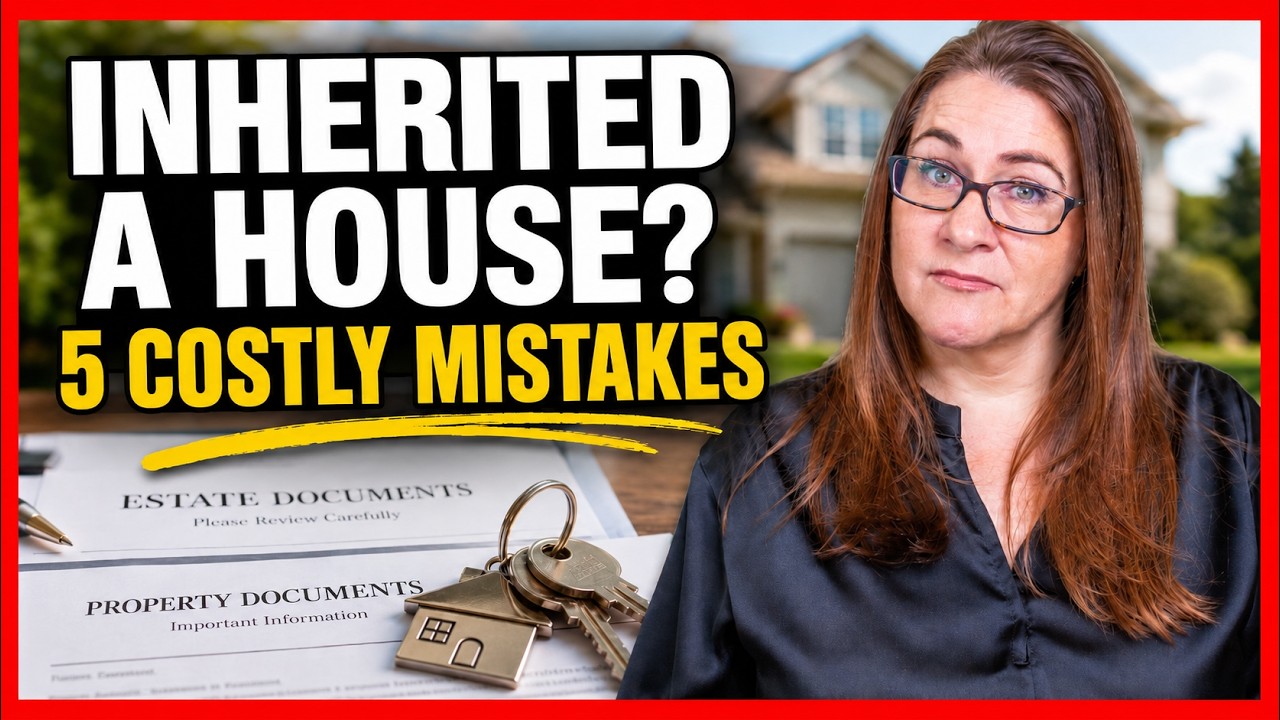
5 Costly Mistakes to Avoid After Inheriting a House
Acting before you understand ownership and authority
There’s often pressure to clean out the house, make repairs, or start talking about selling before anyone understands who owns it, who has authority to act, the timelines, or the options. That feels responsible in the moment, but it usually creates confusion later. Most inherited homes don’t need immediate action. They need clarity first.
Tricia’s tip: After inheriting a house, before anyone cleans, repairs, or lists, write down who has legal authority over the house and every deadline that has a real date. Everything else can wait for a plan.
Letting outside voices replace facts
Friends, relatives, neighbors, and online articles all start weighing in. One person says sell right away. Another says don’t wait, the market could change. Most of that advice isn’t built for your situation. It’s based on someone else’s experience or fear. When too many voices get involved too early, noise replaces clarity. If siblings are part of the picture, read Inheriting a House With Siblings? Watch for These 3 Red Flags.
Selling for emotional relief
This one is understandable. When grief is involved, the house can feel like a weight. Every room holds memories, and selling quickly can feel like closing a hard chapter. But rushing a sale for relief is one of the costliest mistakes after inheriting a house. Homes get underpriced, the first offer gets accepted, and questions go unasked, not because heirs don’t care, but because they’re tired.
Spending money without a plan
Heirs often put money into repairs, updates, or cleanouts before they understand the market, the condition of the home, or what local buyers value. Sometimes those steps help. Often they don’t make a meaningful difference. Once money is spent, it can’t be undone. Read Selling an Inherited Home in California? Skip These 3 Repairs Before You List before anyone picks up a paintbrush.
Assuming faster is always safer
An inherited property can feel like a responsibility hanging over you, so moving fast seems like the careful choice. In reality, faster usually means less information, fewer options, and more stress. A thoughtful timeline lets heirs see the full picture and avoid choices after inheriting a house that can’t be reversed.
“Slowing down doesn’t delay progress. It protects it.”
Tricia Garcia

When Timing Does Matter
I don’t believe in pretending timing never matters. Carrying costs like taxes, insurance, and HOA dues add up. Estate and court timelines exist. A vacant home in poor condition can create real pressure, and coordinating several heirs can make waiting harder. Even so, moving thoughtfully is different from rushing. You can take action without letting pressure make the decision.
Timing after inheriting a house can also affect taxes. Heirs generally get a step-up in basis to the home’s value at the date of death, so selling sooner can mean little or no capital gains tax, as I explain in Step-Up in Basis: How an $800,000 Inherited Home Sold With $0 Taxable Gain. Ask your CPA how that applies to you.
What Taking Your Time Looks Like
Taking your time doesn’t mean doing nothing. After inheriting a house, it means working in order:
- ✓Confirm ownership and who has authority to sell
- ✓List the real deadlines and handle them first
- ✓Get a realistic value for the home as-is
- ✓Compare selling, keeping, renting, or a buyout between heirs
- ✓Ask your attorney and CPA the questions that apply to your situation
- ✓Decide when the answers are clear, not when someone else says so
Watch the language around you, too. “This offer won’t last,” “the market is about to crash,” and “everyone is doing this” are pressure, not information. For more on spotting it, read Feeling Pressure to Sell Your Home? 7 Things to Know During a Life Transition.
Inherited a Home in Leisure Village or Camarillo?
If you’ve inherited a home in Leisure Village, remember that HOA dues continue while you decide, so include them in your carrying costs. Leisure Village is a 55+ community with its own occupancy and rental rules, so check the association’s rules before anyone plans to move in or rent the home out. Those answers often shape which options are realistic, and knowing them early after inheriting a house prevents surprises.
Frequently Asked Questions
What should I do first after inheriting a house?
Secure the home, keep insurance and utilities active, keep paying the bills, and confirm who has legal authority. Then list real deadlines before making bigger decisions.
Do I have to sell an inherited house right away?
Usually not. Most heirs have time to understand the property and their options, as long as expenses are covered and legal deadlines are met. Check any trust or probate timelines with your attorney.
What are the most common mistakes after inheriting a house?
Acting before understanding authority, letting outside opinions replace facts, selling for emotional relief, spending on repairs without a plan, and assuming faster is always safer.
Should I fix up an inherited house before selling?
Not until you know the as-is value and what local buyers want. Some light preparation can help, but big repairs often don’t pay for themselves.
Who has the authority to sell an inherited house?
If the home is in a trust, usually the successor trustee. If it goes through probate, the court-appointed executor or administrator. An estate attorney can confirm it for your situation.
Have Questions About Your Home?
Inherited a home? Let’s take it one step at a time.
Have questions, real ones, specific ones? Reach out to my team and me directly. If you’re in Leisure Village, Camarillo, or anywhere in Ventura or Los Angeles County after inheriting a house, book a free 30-minute call. You’re not doing this wrong, and you don’t need to rush to prove you’re handling it right.
Tricia Garcia & Steve Hise
Senior Real Estate & Inherited Home Specialist
805-424-6226
team@RealEstateToolbox.com
leisurevillagelife.com | realestatetoolbox.com
Real Estate Toolbox | eXp Realty | DRE #02032007